New Jersey Municipalities Struggle Under Pressure of Escalating State Health Benefit Costs
Skyrocketing State Health Benefits Program costs are pushing New Jersey municipalities and school districts into severe budget crises, forcing local leaders to either raise property taxes or cut public services while they await structural reform from Trenton.
admin · Published July 22, 2026 at 5:12 PM EDT
Trenton
The rising cost burden of healthcare is causing financial stress for municipalities, school districts, and government buildings in New Jersey, resulting in a cost crisis. The continuous increases in the rates of State Health Benefits Program (SHBP) are pressuring local leaders and municipal management to make tough choices, which either include raising property taxes to cover the higher costs of insurances or reducing municipal services and manpower.
Such budgeting difficulties have become more evident in Mercer County, as its local leadership has been trying to find better ways to cope with the rise of insurance premiums against the growth in revenues.
In order to protect themselves from budget gaps, some entities within the local communities took appropriate actions when they faced the expected budget spikes over 31 percent. Mercer County partnered with the labor unions to transfer coverage of their employees from SHBP to a less expensive insurance plan. As noted by Mercer County Executive Dan Benson, such actions limited the increase in premiums for active employees to 17.5 percent, thus saving millions of dollars without changing the existing benefits package in the meantime.
However, the Municipality of Princeton decided to stick with the state program despite more than 36 percent increases in premiums. According to Princeton Councilmember Brian McDonald, covering all the increases would require the implementation of 6 percent tax alone. Using a series of changes, local officials were able to limit tax increase to 2.87 percent, although they noted that staying on this road is absolutely impossible in the long run.
Financial burden has also reached public entities and schools in the area. Princeton Public Library had to reduce daily operating hours by one hour and cut down its premium health plans in order to cope with expenses. On the other hand, Princeton Public Schools managed to dodge 31.9 percent increase in the state program due to private insurance, limiting their increase to 15.2 percent.
According to the state actuarial analysis and information from the Treasury, the current crisis is caused by inherent vulnerabilities in the SHBP program. As healthy members exit the SHBP program due to cheaper private quotes from other providers, the proportion of high utilization members becomes larger among the participants in the state program. This process causes a self-reinforcing circle known in the insurance industry as the actuarial death spiral, where declining premiums lead to further increases in rates for the remaining policyholders. Also, soaring expenditures on specialty drugs, such as GLP-1 drugs like Wegovy and Ozempic, together with lack of reserves in the state funds, have made it necessary to raise rates drastically.
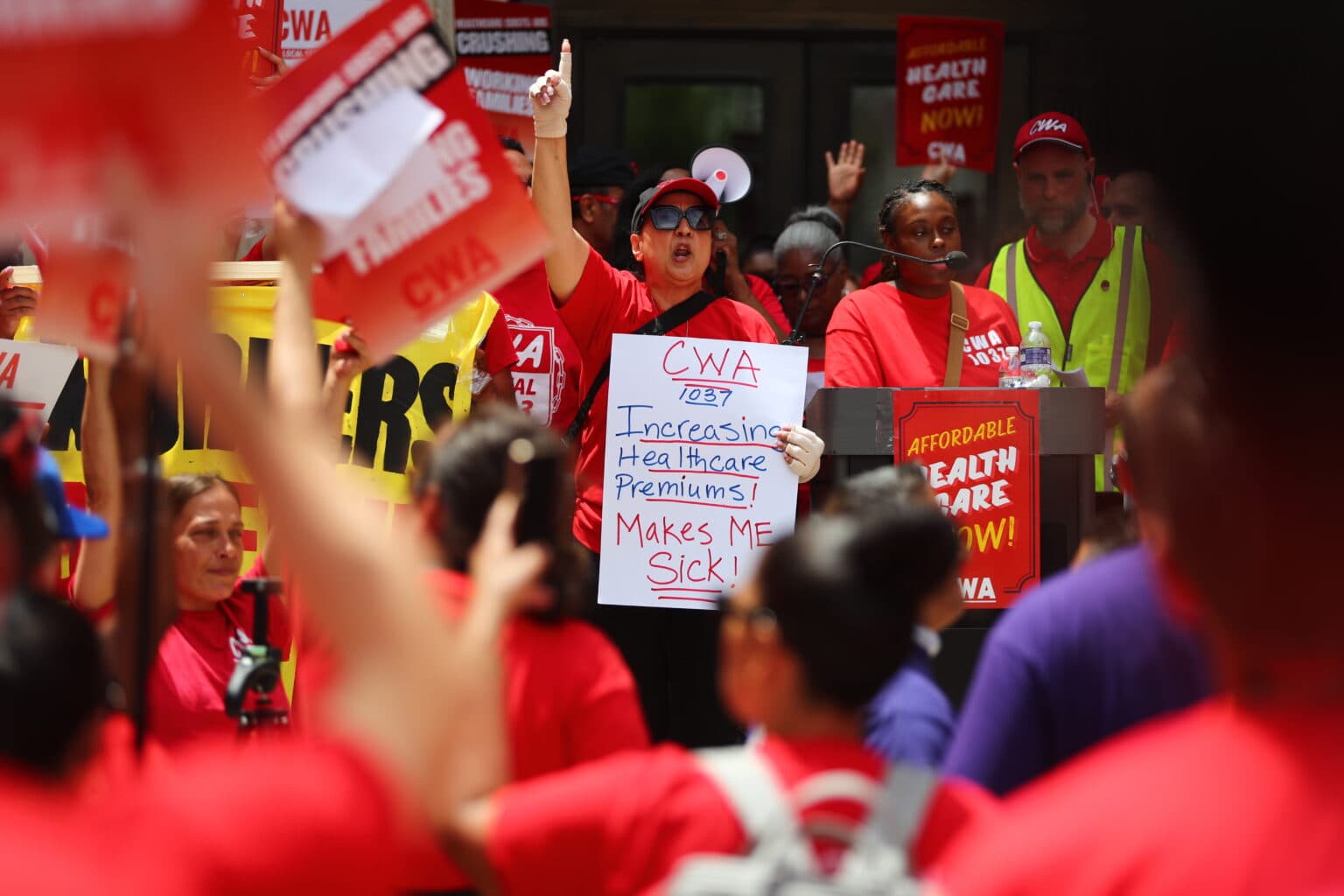
Given the increasing financial burden on property owners, the legislators in Trenton are under pressure to adopt reforms. Current analyses conducted by the Treasury suggest improvements to the plan administration and increased oversight in order to bring stability to the fund. However, at the same time, public sector unions conduct rallies calling upon the state government to bargain for better prices on prescription drugs, conduct audits of claims made out of state, and avoid shifting costs to public employees.
With projections showing an ongoing increase in rates at a double-digit rate, city officials throughout the state stress that there are not many options left for workarounds. Without the help of legislation being passed by the state, cities in New Jersey will have no choice but to either increase their taxes or reduce services.
Tags